
Stop Just Swapping Lamps (It’s Not Working)
Here is a common mistake I see all the time: a customer notices a cold spot in their heating line, so they swap out a 2000W lamp for a 3000W unit. They think more power is the answer. It almost never is. The real problem isn’t the wattage. It’s the reflector. If the geometry is off, you aren’t actually heating your workpiece—you’re just wasting energy heating up the frame of your own machine.
The trick to directional heat
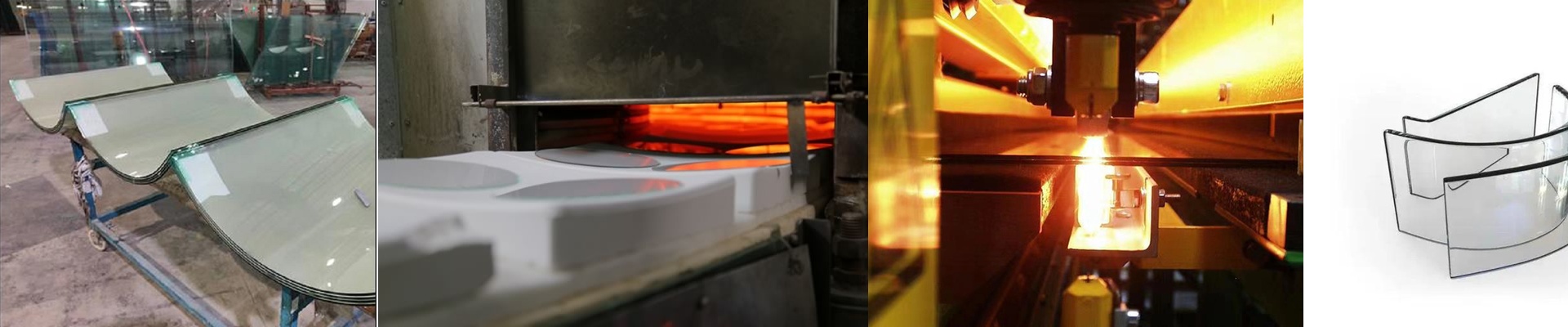
Think of an IR lamp like a lightbulb that throws energy in every single direction. The reflector’s only job is to catch the half that’s heading the wrong way and shove it forward. But there’s a catch: the focal point. If your reflector was built for a 300mm tube, but your target is sitting only 50mm away, you’re going to have a bad time. You’ll get these aggressive hot spots and annoying cold zones. That’s how you end up with uneven curing or, even worse, PET bottles that warp and deform.
Gold vs. Aluminum (The real trade-off)
Depending on the wavelength you’re working with, we usually go with either gold-coated or polished aluminum. For shortwave IR, you need something that reflects a very specific range. Gold is the gold standard here—it handles the heat beautifully, but it’ll cost you more. Polished aluminum is the go-to for most people. It works, but it oxidizes over time. Once that surface starts to pit, your heat flux just drops off a cliff. And here’s the thing: you can’t just scrub or “clean” a degraded coating. Once it’s gone, the reflector is trash. You have to replace it.
Why we actually show up in person
I don’t believe in selling parts from a catalog. Why? Because your factory floor is a living thing. The way the air moves, how fast your conveyor is humming along, and the shielding you’ve already got in place—all of that changes the physics. That’s why we come on-site. We map the heat distribution to see what’s actually happening. Maybe your reflectors are just slightly crooked. Maybe the footprint is too wide for the part you’re heating. Slapping in a new lamp won’t fix a bad angle. We find the gap, tweak the focal length, and then get you the right hardware. It’s the only way to stop that frustrating cycle of burning through lamps every three months.