
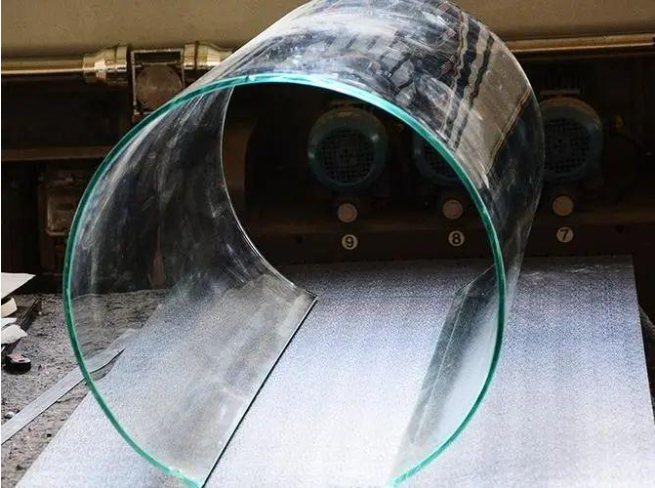
Stopping Glass from Shattering During Tempering
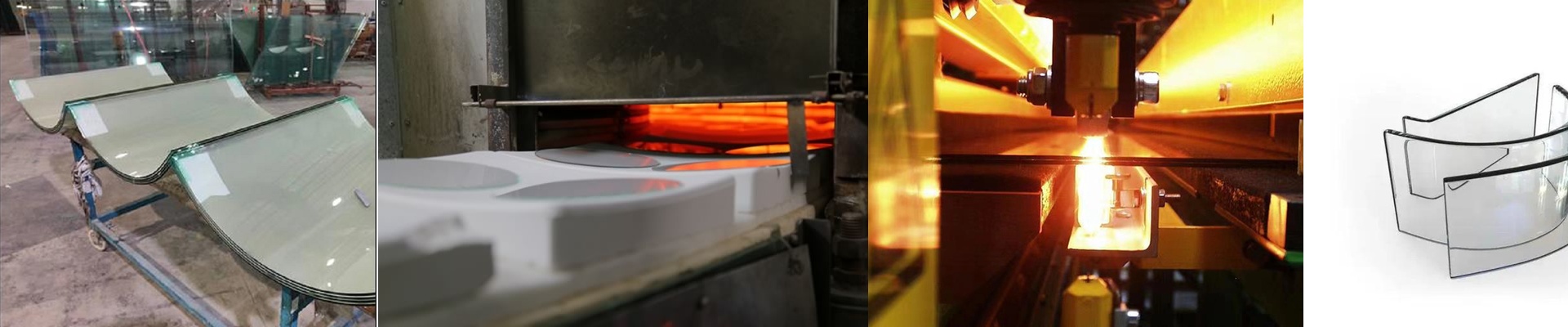
Working with glass is a balancing act. You need heat, but if you hit it with a sudden, uncontrolled spike, it’s over. You get thermal shock, and you get a floor full of broken shards. It’s a nightmare. To stop that from happening, we use shortwave infrared lamps and power controllers that actually react in real-time. Why the hardware matters Standard heating elements are just too clunky. They have too much “thermal mass,” meaning they take forever to heat up and even longer to cool down. They can’t keep up. Shortwave infrared is different. It uses radiation to move energy, which is basically instant. When you pair those lamps with a fast-switching power supply—think SCR or PWM controllers—you can tweak the wattage in milliseconds. Instead of a violent jump in temperature, you get a smooth, linear ramp. The glass expands evenly, and you don’t have to worry about it cracking under the pressure. The nitty-gritty on heat density We usually go for lamps with high wattage-per-centimeter. This keeps the equipment small and gets you to tempering temperatures fast. But there’s a catch. That kind of intensity puts a lot of stress on the quartz envelope. If you don’t vent your lamp housing, the ambient air gets way too hot, and your filaments will burn out way sooner than they should. Give them room to breathe. The trade-offs you should know about Getting this wired into your line is pretty simple, but don’t ignore your power quality. If your voltage is jumping around, your heat output will too. A dedicated regulator is a smart move here just to keep things stable. One more thing: this kind of fast-response heating is hard on your electronics. Because you’re cycling the power so rapidly to save the glass, your controllers are going to run hotter than usual. Make sure you oversize the cooling fans in your control cabinet. It’s a small price to pay to keep your factory floor clear of broken glass.