
Getting Heat Right in Mobile Glass Repair
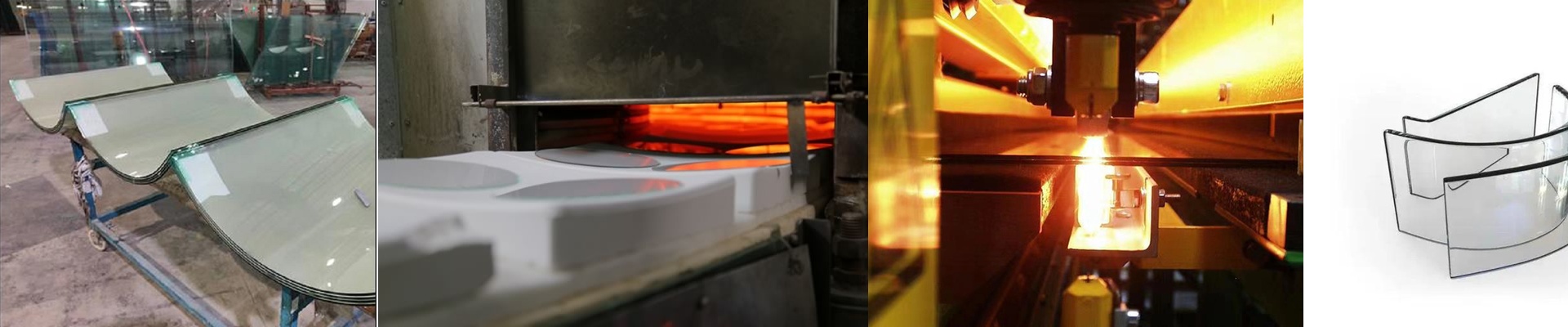
When you’re trying to jam high-performance IR heaters into a mobile glass repair bracket, you’re basically fighting a war against space. It’s a completely different world than using a big industrial oven. You don’t have a massive footprint or a high-voltage grid to lean on. You need a heat source that hits the target temperature fast—but not so fast that it melts the housing right off the bracket. The struggle with size To make this work in a tiny frame, we stick with shortwave infrared lamps. They pack a ton of radiant energy into a very small space. By using quartz glass and halogen gas, we can push the filament temperature much higher than you’d get with a standard resistor. It means we can get the wattage you need to soften the glass without needing a lamp that’s a foot long. Dealing with power Here’s the thing: mobile setups are picky about voltage. If the filament resistance isn’t dialed in perfectly to your input, you’ll get voltage drops that kill your heating speed. It’s frustrating. And if you’re using a DC-to-AC converter, the lamp’s wattage has to be a perfect match for the power supply’s peak output. If you try to push too many watts through a tiny circuit, your controllers are going to fry. Simple as that. The trade-off High heat in a small space creates a bit of a mess. While the IR lamp is doing its job on the glass, the bracket around it is soaking up all that reflected heat. You can’t just ignore that “thermal soak.” We usually suggest adding heat shields or some active cooling for the electronics. Otherwise, your control board is going to overheat and shut you down right in the middle of a job. Plus, we make these elements easy to swap. We use standard connectors so that when a lamp eventually burns out—and they will—a tech can just pop a new one in. No rewiring the whole rig, no headaches. Just a quick swap and you’re back to work.