
Stop Fighting Your Glass Annealing Batch
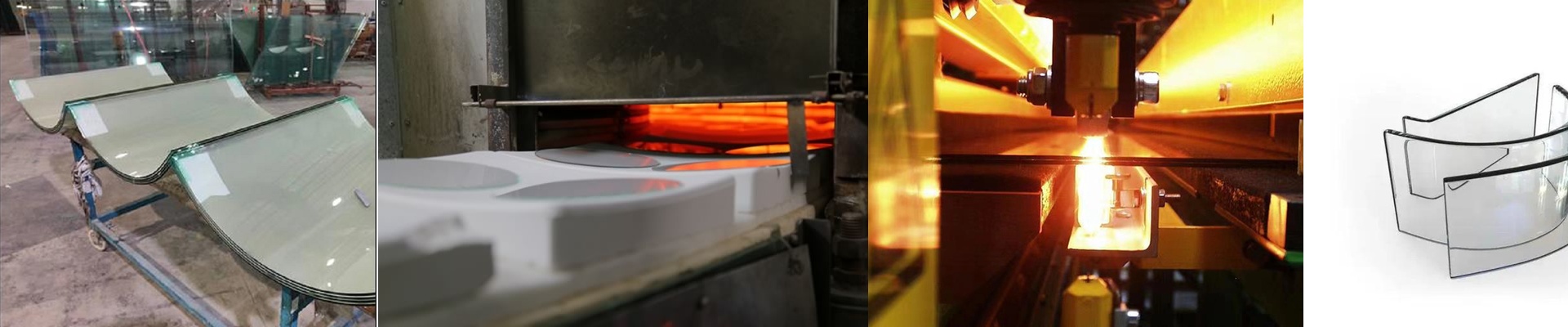
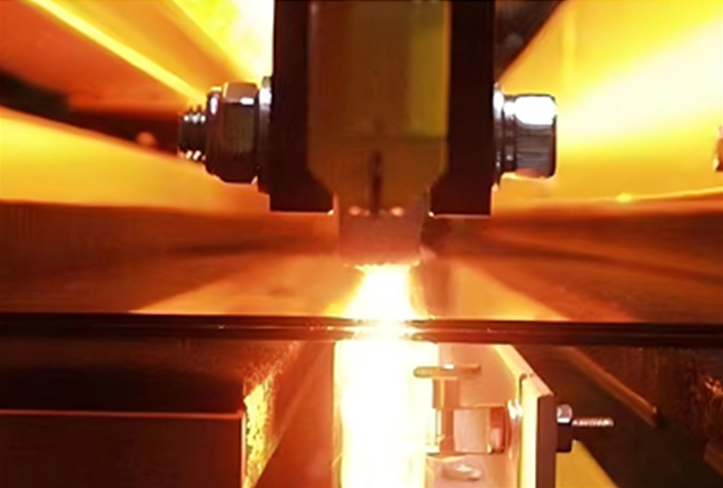
If you’ve spent any time in a glass annealing shop, you know the frustration. You start a run, everything looks great, and then you hit the end of the batch and realize the last few pieces are just… off. It’s a nightmare. You’re staring at internal stress and high scrap rates, wondering why the first piece doesn’t match the last. Usually, the culprit is something you can’t even see: your infrared lamps. The problem with “standard” heaters Here is the thing about off-the-shelf quartz heaters. Most of them have a pretty loose tolerance on wattage. You might think every lamp is doing its job, but in reality, one is running at 92% and the one next to it is cranking at 108%. That creates cold spots. It skews your whole thermal profile. Instead of a smooth, even heat, you get a patchwork. Most people try to fix this by manually “tuning” different zones, but that’s basically just guessing. We decided to stop the guessing game by tightening the manufacturing on the tungsten filament and the quartz envelope. When the tubes are consistent, the heat is consistent. Period. Why the material actually matters We use high-purity fused quartz because it can take the heat without breaking a sweat. But more importantly, it lets shortwave IR pass straight through. The heat hits the glass surface directly. It doesn’t waste time warming up the air around it. This means your ramp-up times get a lot faster. One heads-up, though: these high-density tubes pull a lot of power. If you’re packing a lot of wattage into a small space, just make sure your electrical panels are up to the task. You don’t want your panels overheating while your glass is chilling. Finally, some peace of mind When you swap out those mismatched tubes for a high-consistency set, something happens. The thermal gradient flattens out. Suddenly, you aren’t spending your whole shift chasing your tail with PID controller adjustments. You get a uniform soak temperature across the entire load. It just works. No more guesswork, no more “shift-to-shift” quality swings. Just steady, predictable results.