Stop Wrestling With Your Heating Tubes
Buying a single medium-wave quartz tube is the easy part. The real headache starts when you actually try to fit that thing into a production line. I’ve talked to plenty of engineers who have the specs on paper, but they’re struggling to turn those numbers into a heating zone that actually works. It’s a frustrating gap. That’s why we stopped just shipping out individual lamps and started building full, curved heating modules.
A Bit About the Physics
Here is the deal with medium-wave IR: it hits that sweet spot. It sinks into plastics and coatings better than short-wave, but it doesn’t take forever to get up to temperature like long-wave does. We use high-purity quartz glass because, frankly, if you don’t, the filament burns out way too fast. When you’re picking a tube, keep an eye on the wattage-per-centimeter. That’s your heat density. High density means you hit your target temperature fast. But be careful—it also puts a lot more pressure on your power supply.
Why Go Curved?
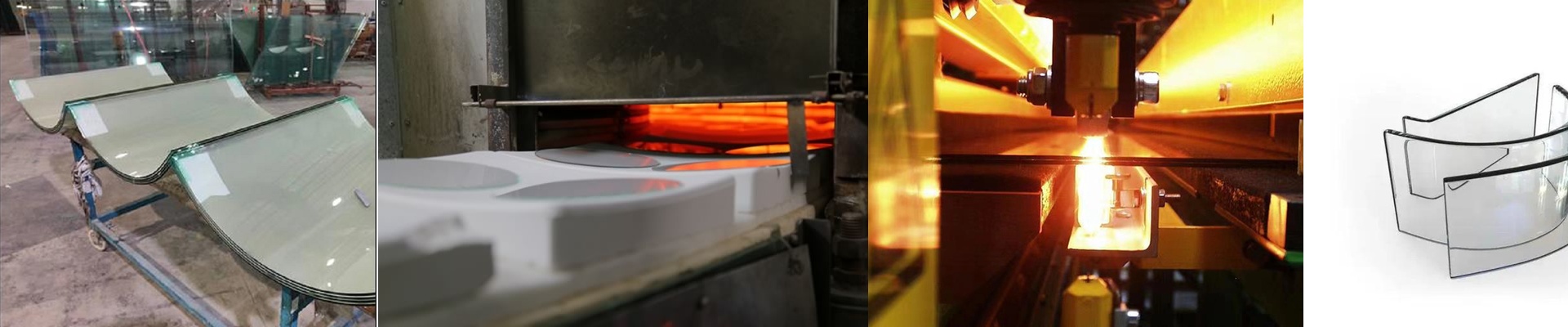
If you use a straight tube on a cylindrical part, you’re going to get cold spots. It’s just physics. To fix that, we bend the quartz tubes into precise radii. By wrapping the heat source around the part, we get the emitter much closer to the surface. It’s just more efficient. Plus, we handle all the annoying stuff—the wiring, the mounting brackets, the whole bit—right here in our shop. Instead of receiving a box of loose parts and spending your afternoon wiring things together on the floor, you get a module you can just drop in. It saves a ton of man-hours and keeps those “oops” installation errors from happening.
The Trade-offs (The Part Most People Miss)
Now, bending quartz isn’t as simple as bending a piece of wire. It changes how the glass handles stress. A tightly curved tube expands differently than a straight one when it gets hot. This is where things get risky. If you bolt a module down too tight, the quartz will simply snap during the first heat cycle. It’s a loud, expensive mistake. We spend a lot of time balancing the bend radius with the thermal load. We make sure the brackets give the glass enough room to breathe so it doesn’t crack under pressure.