Stop Wrestling with Individual IR Tubes
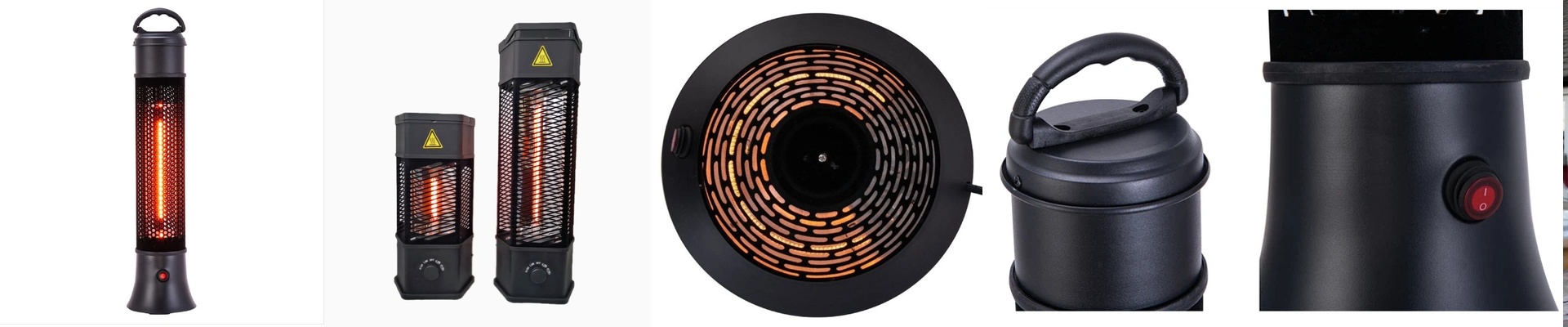
Most of us start the same way: you pick a wattage, find a lamp that fits the length, and wire it up. It works great for a prototype. But once you hit the production line? Trying to install fifty individual tubes is a total nightmare. It’s a massive time sink that nobody actually wants to deal with. That’s why we decided to move the headache from your shop floor to our factory. Instead of shipping you a pile of parts, we give you integrated, curved heating modules.
Why Modular Just Makes Sense
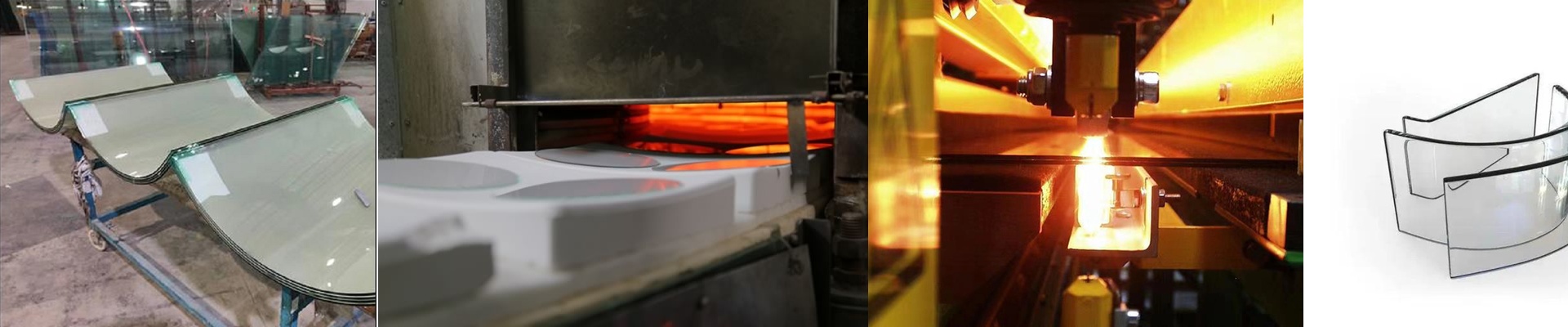
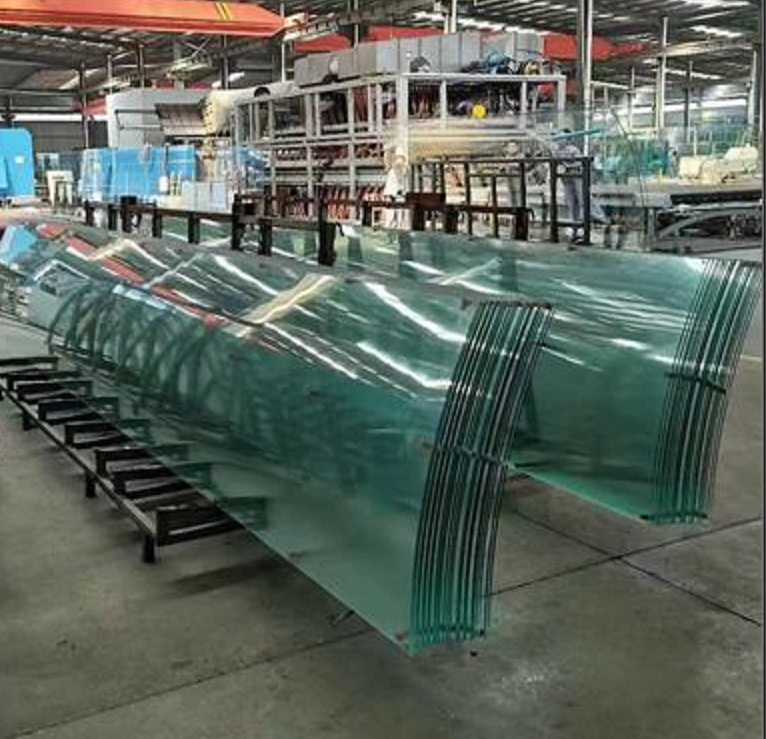
Think about it. A single lamp is just a piece of glass. But a module? That’s a system. We take those raw quartz tubes and mount them into a pre-made, curved chassis. This means you can stop bending brackets by hand or spending hours squinting to get reflectors aligned perfectly. You just drop the module into your machine’s footprint and it fits. We also take care of the messy stuff—the wiring and the connectors. Whether you’re using R7s or Sk15 bases, it arrives pre-wired. It turns a job that used to take days into something you can knock out in a few hours.
The Catch: Dealing with High-Density Heat
Here’s the thing about fast-response IR radiators: they pack a serious punch. If you go with a high-wattage shortwave array, you get heat almost instantly. It’s powerful. But that power comes with a trade-off. All that concentrated heat can easily bake your sensors or warp thin steel frames if you aren’t careful. You’ve got to make sure your cooling fans and heat shields can actually handle the output. If you skimp there, you’re just looking at components burning out way sooner than they should.
Just Plug It In and Go
At the end of the day, we want to give you a heating zone that actually works the moment it arrives. We aren’t just shipping you a box of fragile glass. By switching to a modular setup, you get rid of the “human error” factor that happens when a technician is installing things in the field. You plug it in, dial in your PID controllers, and get back to work. It’s a lot simpler to treat your heating system as a standardized part rather than a DIY project.