
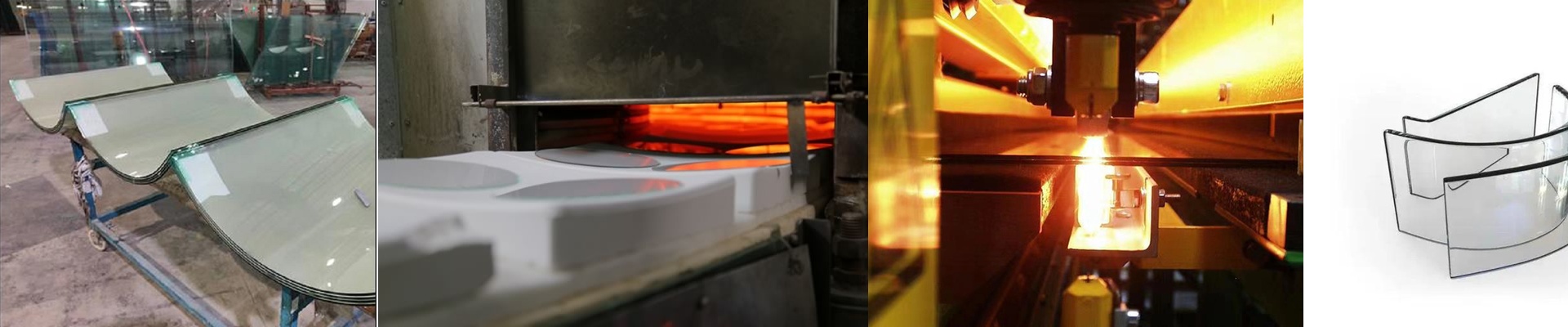
On the line, a coating oven that chases temperature kills throughput and can crack tempered or bent glass with stress fractures. The hot-end coating heater is where that stability gets decided. We built this module for the glass shop, where cycle time, repeatability, and safety margins aren’t optional.
What matters under the hood
We spec the hot-end coating heater with short-wave quartz infrared emitters because they snap on and off fast and hold tight control. They hit the absorption band of common coatings, so the energy goes into curing—not into heating air. Output density is matched to line speed and coating thickness, and the heater face lays down a uniform thermal field across the glass width. That evens out the heat, so you get less thermal stress and fewer edge effects. The housing is industrial-grade, with solid terminals and standardized mounting so it drops straight into most coater oven zones. Power density is tuned to bring the substrate up quickly without hot spots, and the control interface plays cleanly with existing PID loops.
Why it holds up in real lines
In tempering, bending, and lamination lines, the oven has to be at setpoint before the glass enters—and stay there through the whole pass. Fast ramp-up cuts warm-up time, so you pack more hits into a shift. Stable, uniform heat gives you better cure and adhesion, which means less scrap from under-cure and fewer optical defects. Energy use comes down because the emitters heat the load directly instead of the surrounding air. And when the temperature stays put, you get fewer line stops and less rework.
The practical details
Installation is straightforward on most coater frames, but respect oven airflow and clearance—tight confines can run the housing hotter than you want. Match emitter power to your smallest and largest glass sizes, and verify emissivity, especially on low-e and coated substrates. Plan on routine cleaning of the quartz surface to keep output consistent. And make sure your control strategy can handle the fast response without overshoot.