
Introduction
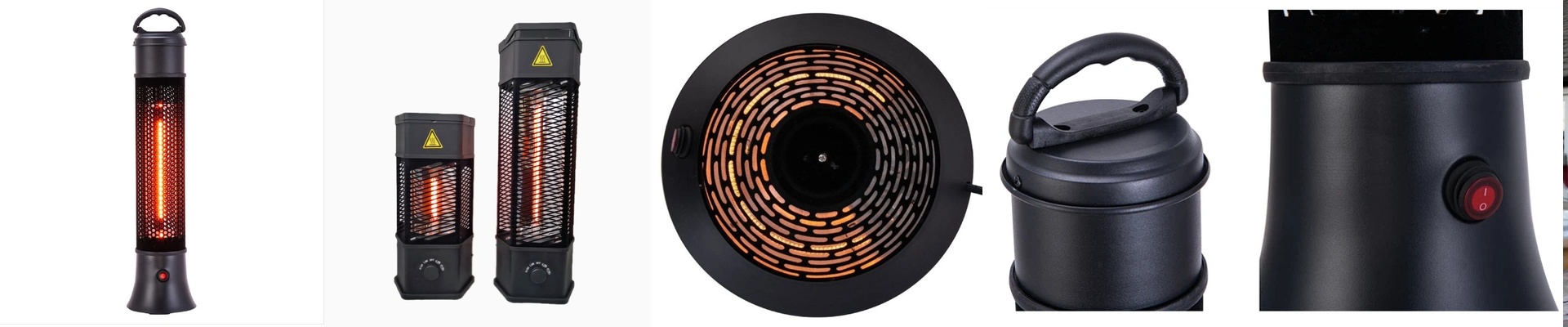
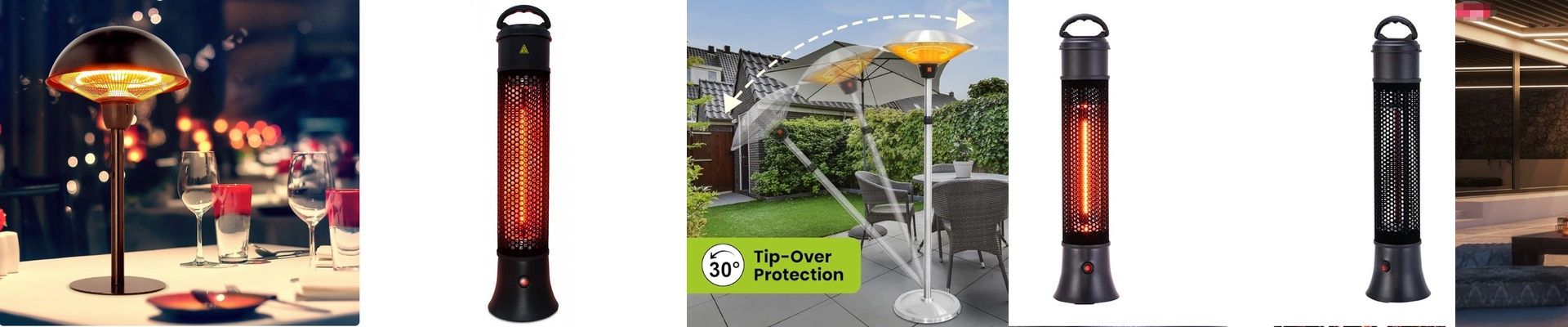
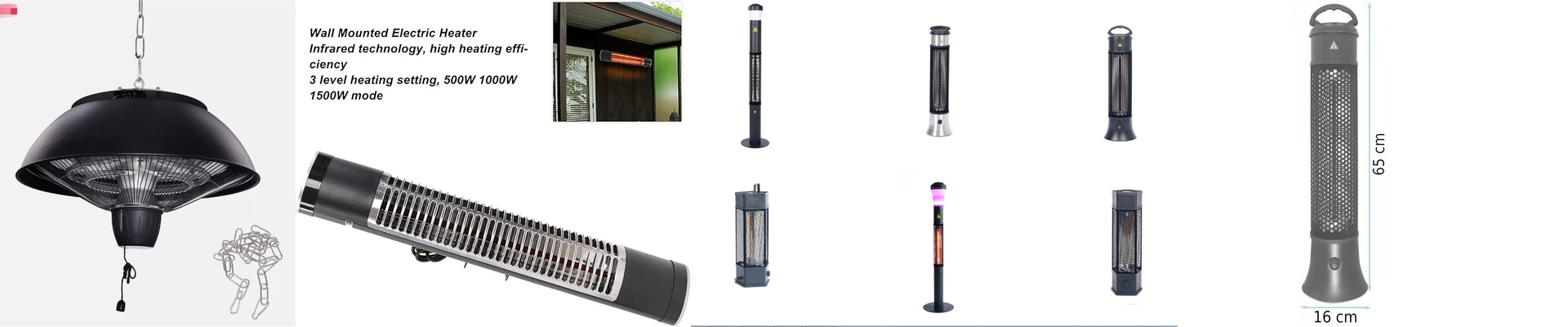
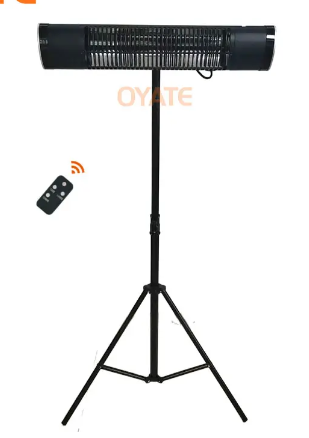
Here’s the thing about staying warm outside when the air bites: you don’t want to heat the whole sky. You want heat that finds you. That’s exactly why we built our long-range patio heaters around high-output halogen infrared tubes. They send warmth straight to people, objects, and surfaces—no waiting, no wasted energy. It’s the kind of heat you feel instantly, even when the wind is doing its best to ruin the day.
The Inside Story (Without the Tech-Speak)
The magic is in the power and the reach. These units run on 230V or 400V and pull between 2500W and 3000W. That’s what it takes to create infrared heat that actually travels. Then there’s the tube length. We typically use tubes from 300mm to 600mm. A longer tube spreads the warmth into a broader footprint. A shorter 300mm tube tightens the beam so the heat can throw farther. You wire it to the rated voltage, and the wattage density does the rest—pushing heat out there with real punch.
What It’s Built Like—And Why It Stays Tough
Halogen technology keeps the filament steady, even when it’s running hot. So the heat stays consistent over time—no fading, no surprises. The quartz envelope handles sudden temperature swings without cracking under pressure. And inside, the halogen cycle helps prevent blackening, so the output stays bright instead of getting dim. We also coat the tube to steer the infrared energy outward where it’s needed, while keeping visible glare to a minimum. And the R7s connector? Practical, solid, and quick. It locks in, carries the current safely, and makes replacing a tube fast—no fussing around when you’re on the job.
What It Feels Like in the Real World
When you’re out in an open workspace, a loading dock, or an outdoor service area, this setup gives you focused radiant heat. It warms people and gear directly—no long wait for air to heat up. It’s fast. Seriously fast. Heat where you need it, when you need it. Now, there is a trade-off. The high wattage density means you’ve got to size the circuit properly and give the area enough ventilation. That keeps everything running safely and stops nearby components from getting too hot.