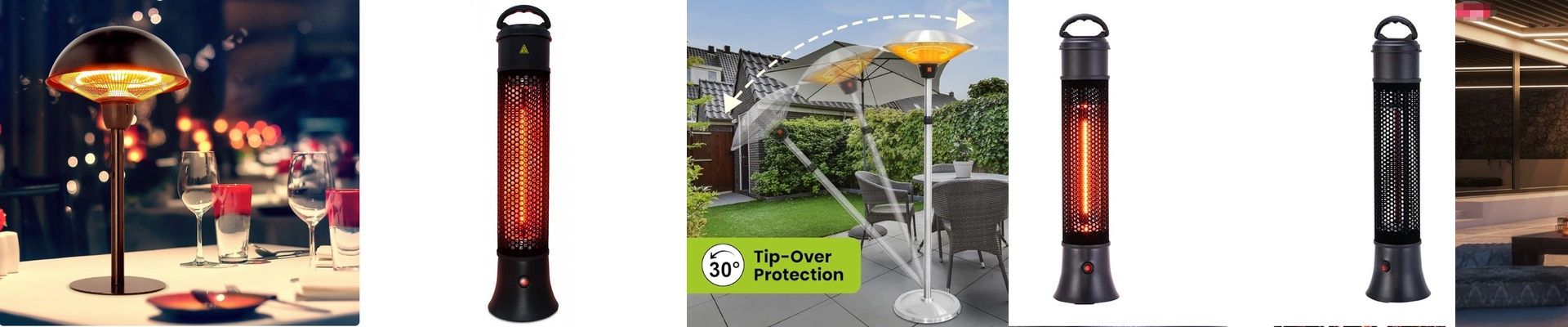
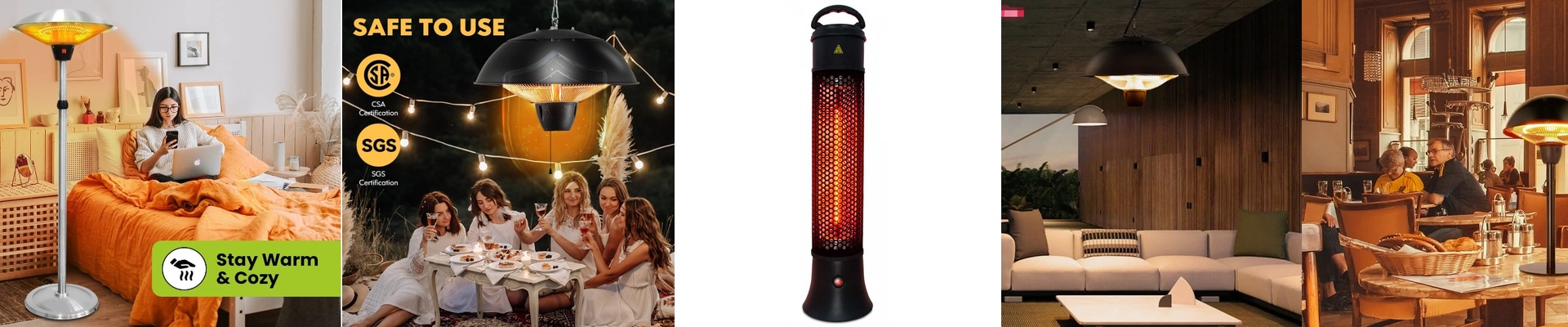
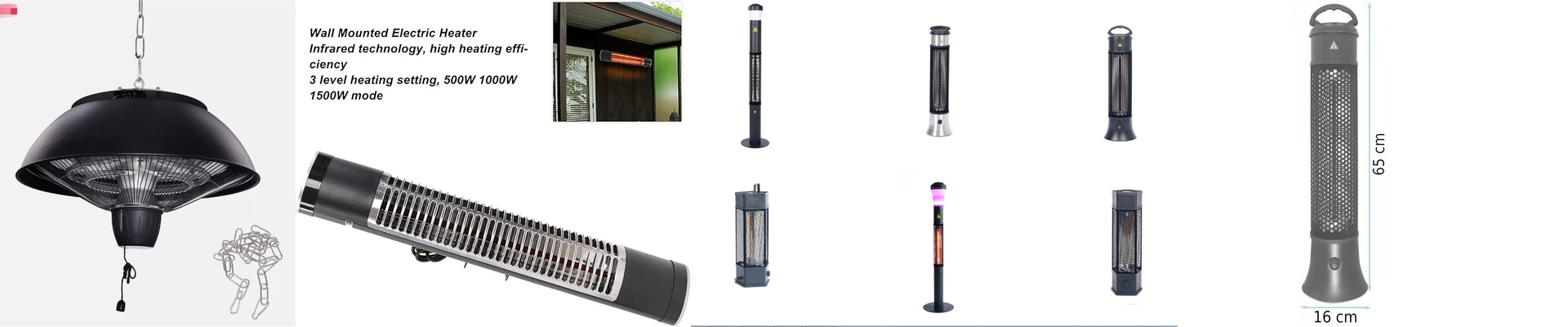
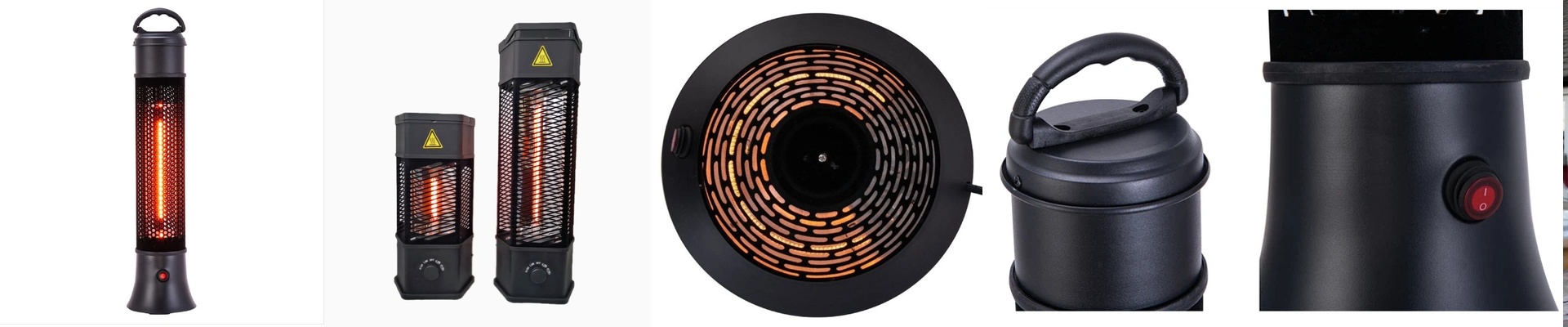
Hanging Halogen Patio Heaters: Fast, Focused Warmth for the Spots You Actually Use
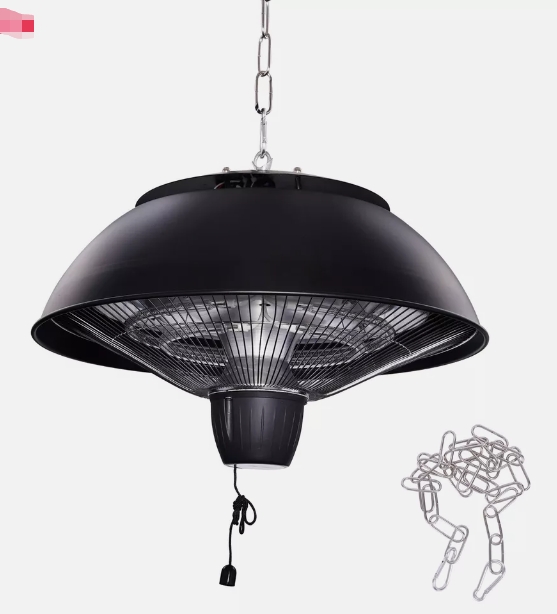
Here’s the thing about outdoor heating: sometimes you don’t want to warm the whole sky. Sometimes you just want to hit a deck chair, a table, or a work area with heat that shows up the second you flip the switch. That’s exactly what hanging halogen patio heaters are built for. They’re all about spot heating—fast, directional warmth that goes where you need it, without wasting energy heating empty air. We built these around a shortwave infrared halogen lamp, usually around 2500W, and designed to run on either 230V or 400V. The whole point is simple: pack a lot of heat into a small package, so you can aim it right where people are—on decks, terraces, or even in workshop bays—and wire it into standard industrial circuits without a hassle.
Power, Voltage, and Why the Details Matter
You pick 2500W because you want serious infrared output without a giant unit. That power density is what gives you that “instant heat” feeling the moment the lamp fires up. And those tube lengths—like 300mm or 450mm—aren’t random. They shape the heat. Shorter tubes concentrate the energy. Longer tubes spread the warmth a bit wider. Voltage choice matters too. If your site runs 400V, you get the same wattage with lower current. That means smaller wiring and less voltage drop over longer runs. But it also means your control and protection setup needs to be designed around three-phase availability.
What’s Inside: Halogen, Quartz, and the R7s Connection
The halogen element sits inside a quartz envelope. Why quartz? Because it can handle the extreme filament temperatures and takes thermal shock in stride. The halogen cycle does its job too, keeping the bulb from blackening over time—so the output stays steady throughout the lamp’s life. And we use R7s connectors because they’re made for high heat. They hold contact solidly, make lamp replacement straightforward, and the ceramic base plus tough end seals can handle repeated heating and cooling without complaining.
How It Feels to Use: Overhead Heat, No Fuss
When you hang these, they radiate downward—right into the space you actually use. No drafts. No heat loss rising up and away. And they stay out of the way of foot traffic, which is a big win. But let’s be real: packing high wattage into a small tube means the surface gets seriously hot. So you do need to keep proper clearances, keep flammable materials at a safe distance, and make sure your mounting setup can take the heat. For the people designing the install, the payoff is the kind of reliability you want: predictable output, wiring that stays simple, and a tough lamp that can handle seasonal on-off cycles without getting delicate.