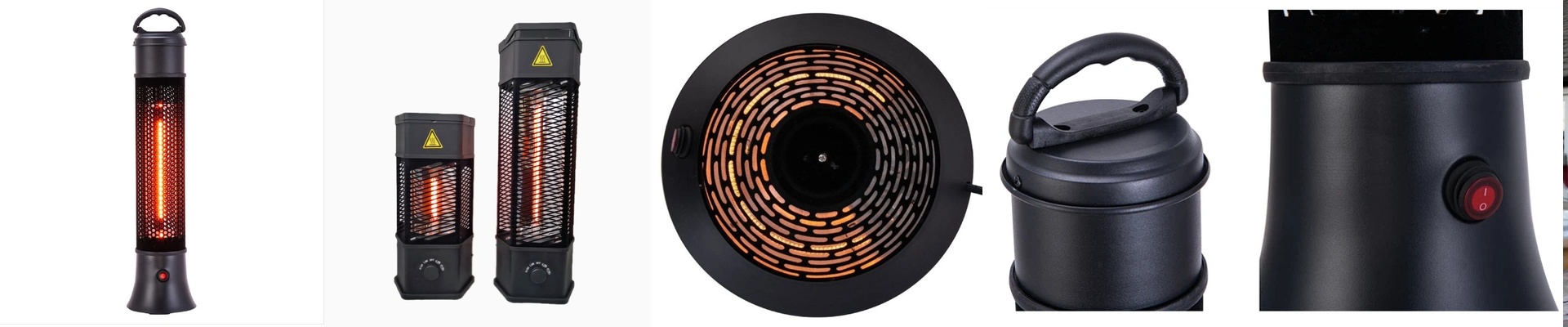


Why Your Recessed IR Heaters Keep Shorting Out (And How to Fix It)
If you’ve ever worked with recessed infrared ceiling heaters, you know they’re basically ovens tucked into tight spaces. Heat builds up fast. And while everyone worries about the heating element burning out, that’s usually not where the real trouble starts. The real killer? The lead-wire connection.
The slow burn of bad wiring
Here is the thing about standard wiring: it just isn’t built for this kind of abuse. In a lot of the cheaper units out there, the lead-wire is basically just shoved through a sleeve and called a day. But heat does weird things. It makes insulation shrink. It makes it crack. Once that seal gives way, it’s an open invitation for dust and moisture to crawl inside. That’s when you get carbonization. If you see a unit where the seal is just a messy dab of silicone, you’re looking at a ticking time bomb.
Doing it the right way
When we build these for industrial use, we don’t take shortcuts. We use high-temp fluoropolymer or fiberglass sleeves and a very specific potting compound. It creates a tight, airtight seal that keeps oxygen away from the copper. It also stops the “creep”—that annoying way wires shift and wiggle when the metal expands and contracts during a heat cycle. You can actually spot a low-quality heater just by looking at the wire exit. If there’s a visible gap between the wire and the housing?**Run.**A proper seal keeps the electricity where it belongs, even when the chassis is radiating peak heat.
The trade-off
Now, there is a catch. Tight sealing makes the heater last way longer, but it makes field repairs a nightmare. If the potting is done right, you can’t just pull a wire out and solder a new one. You’ll probably have to replace the whole heating assembly. But honestly? Most engineers we talk to are fine with that. It’s a much better deal to swap a module once every five years than to spend your weekends chasing a short circuit in a ceiling void every six months.