
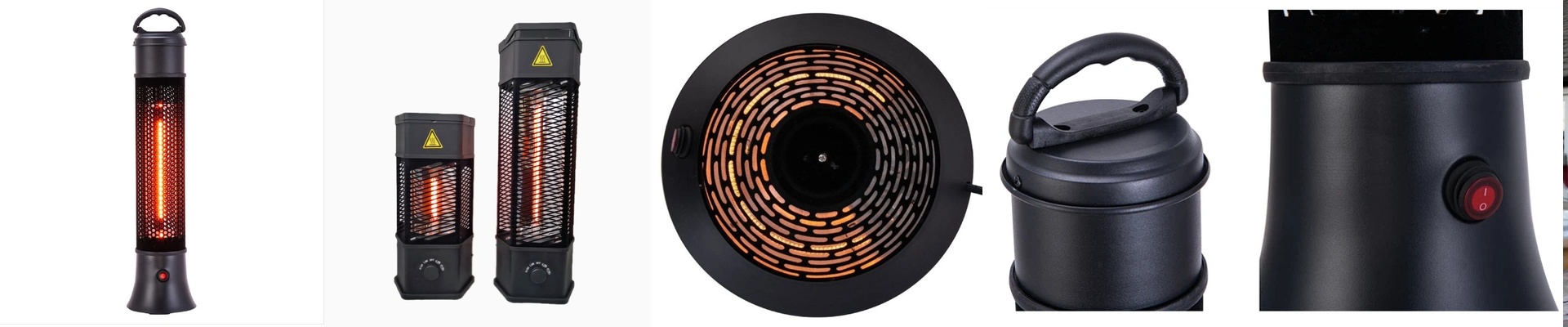


Trying to fit high-performance infrared (IR) elements into a mobile glass repair bracket is, honestly, a bit of a nightmare. You’re fighting for every millimeter of space, and your voltage is capped. You can’t just slap in a bigger lamp or a beefier power supply. So, since you can’t add more power, you have to make sure you aren’t wasting a single photon. Why we use gold Most people use aluminum reflectors, but here’s the problem: aluminum absorbs too much energy. It’s leaky. We switched to gold-coated plates because gold is incredible at bouncing infrared radiation. Instead of the heat bleeding into the bracket and warming up the housing, the gold surface kicks that energy straight onto the glass. It turns a lamp that glows in every direction into a precise, directional heat beam. You get a tighter hot spot and it heats up way faster, all without needing to bump up the wattage. The trade-off But there’s a catch. When you shrink everything down, you’re packing a lot of heat into a tiny area. While the gold plate does the heavy lifting at the target, it also traps heat right where the lamp sits. You’ve got to be careful with your wiring and connectors. If you push too much power into a micro-housing, you’re going to melt your insulation or warp the frame. It’s a delicate balance. Making it work in the field For our mobile kits, we use low-profile IR elements that sit exactly at the gold reflector’s focal point. It’s a clever little setup that lets you hit professional softening temperatures inside a portable case. You don’t need a massive power draw; you just need to stop letting the energy escape. One heads-up, though: gold is soft. It’s not like chrome. If your techs are rough with the gear during field swaps, they’ll scratch that reflective surface. It won’t break the tool, but it will mess with the heat focus over time. Handle it with care.